
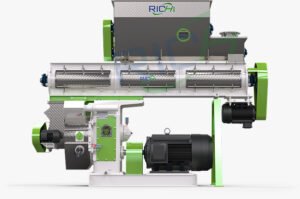
Introduction: From Traditional Feeding to Precision Pellet Systems
Modern livestock farming is no longer limited to simple feed distribution. Farmers today focus on nutrition precision, cost control, and scalable production systems. A livestock feed pellet machine plays a key role in this transformation by converting raw agricultural materials into uniform, nutrient-balanced pellets suitable for different animal species.
Compared with traditional loose feed, pelletized feed improves digestion efficiency and reduces waste. It also allows farmers to control ingredient ratios more precisely, ensuring animals receive consistent nutrition in every bite. As farming operations expand, pellet machines have become essential equipment in both small farms and industrial feed plants.
Improving Feed Strategy for Different Livestock Types
Different animals have different dietary requirements, which is why modern pellet systems are designed with flexibility in mind. For example, small animals such as rabbits require fine, digestible pellets with smooth texture and balanced fiber content. A rabbit pellet making machine is specifically engineered to meet these needs by producing small, uniform pellets that support digestive health and steady growth.
On the other hand, ruminant animals like sheep require higher fiber content and larger pellet sizes. A sheep feed pellet machine is designed to process roughage-based raw materials such as grass, straw, and silage efficiently. This ensures better feed utilization and reduces feed rejection rates in grazing livestock systems.
This adaptability is one of the key reasons pellet machines are becoming standard equipment across diversified farms.
Core Advantages of Modern Pellet Production Systems
One of the most important advantages of livestock pellet machines is production stability. Once raw materials are properly prepared, the machine ensures consistent pellet shape, density, and hardness. This uniformity directly improves animal feeding behavior and reduces feed loss.
Another major benefit is storage efficiency. Pelleted feed is easier to store, less prone to moisture absorption, and has a longer shelf life compared to powdered feed. This reduces overall logistics costs and improves farm management efficiency.
Energy efficiency is also a critical factor. Modern systems are designed to reduce power consumption while maintaining high output capacity. This makes pellet machines suitable for both small farms and large-scale commercial operations.
Industry Knowledge and Practical Applications
Understanding how pellet systems operate can help farmers make better investment decisions. For more technical insights, equipment comparisons, and real production cases, you can explore our blog here, where we regularly share updates on feed technology trends, machine maintenance tips, and production optimization strategies.
These resources are especially useful for farmers planning to upgrade from manual feeding systems to automated pellet production lines. By learning from real-world applications, users can avoid common operational mistakes and maximize equipment performance.
Why Choosing the Right Supplier Matter
Equipment quality directly affects production efficiency and long-term operating costs. A reliable manufacturer ensures stable machine performance, better wear resistance, and easier maintenance.
Among global suppliers, Richi Machinery has become a recognized name in feed and biomass processing solutions. Richi Machinery focuses on delivering customized livestock feed pellet systems designed for different raw materials, production capacities, and farm scales. Their engineering approach emphasizes durability, automation compatibility, and energy efficiency, which are essential for modern agricultural production.
Working with an experienced manufacturer also ensures better technical support and smoother system integration, especially when expanding production capacity in the future.
Conclusion: A Scalable Solution for Modern Farming
The livestock industry is rapidly shifting toward automation and precision feeding systems. A well-designed livestock feed pellet machine provides farmers with a scalable solution that improves feed quality, reduces waste, and enhances productivity across multiple animal species.
Whether producing feed for rabbits, sheep, or mixed livestock operations, pellet technology ensures consistent nutrition and operational efficiency. By combining the right equipment with reliable technical support, farmers can build a more sustainable and profitable production system for the long term.