
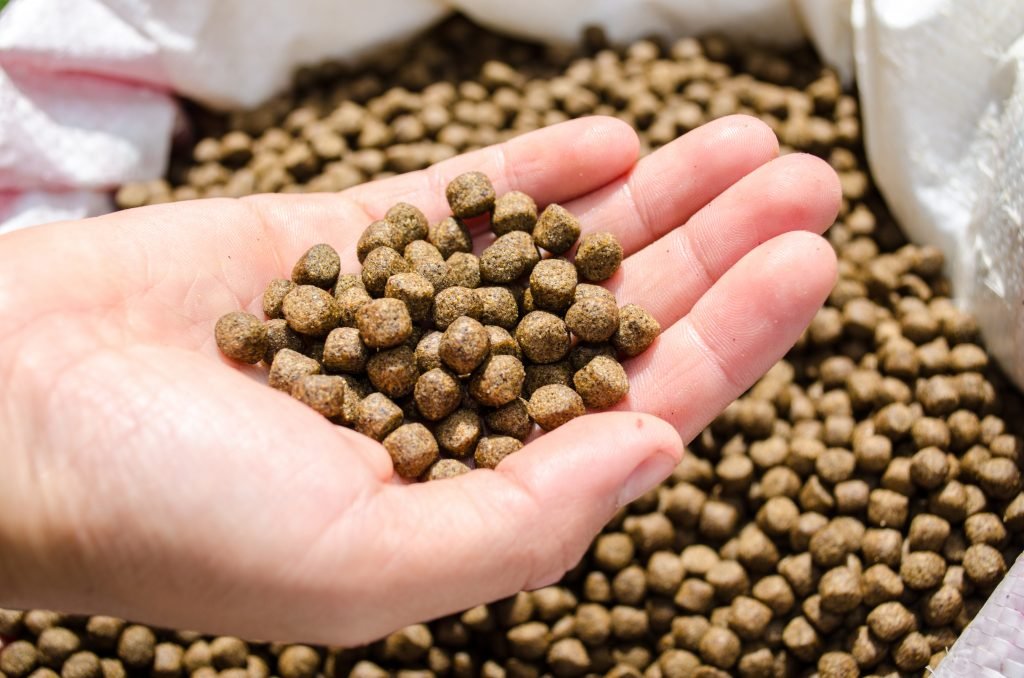
Aquatic feed quality is one of the most critical factors determining the success of modern aquaculture. Whether farming tilapia, catfish, carp, shrimp, salmon, or other aquatic species, fish farmers depend on high-quality feed to achieve optimal growth, strong immunity, efficient feed conversion, and maximum profitability. As aquaculture continues to expand worldwide, the demand for premium feed products is increasing rapidly.
Poor-quality feed can lead to slow growth, increased disease outbreaks, poor water quality, and significant financial losses. In contrast, high-quality feed improves production efficiency, reduces waste, and supports sustainable aquaculture development. For feed manufacturers, improving feed quality is not simply about adding more nutrients; it requires attention to raw materials, formulation design, processing technology, quality control, and equipment performance.
This article explores practical and effective methods for improving aquatic feed quality and explains how modern feed production technologies contribute to better results for fish farmers and feed manufacturers alike.
Understanding Aquatic Feed Quality
Before discussing improvement strategies, it is important to understand what defines feed quality.
High-quality aquatic feed should possess the following characteristics:
- Balanced nutritional composition
- High digestibility
- Excellent water stability
- Consistent pellet size
- Good palatability
- Low contamination risk
- Reliable storage performance
Feed quality affects every stage of fish production, from juvenile development to harvest.
Improving feed quality requires a comprehensive approach that addresses both nutritional and physical properties.
Select High-Quality Raw Materials
The foundation of quality feed begins with ingredient selection.
Even the most advanced production technology cannot compensate for poor-quality raw materials.
Choose Reliable Protein Sources
Protein is the most important nutrient in aquatic feed.
Common protein ingredients include:
- Fish meal
- Soybean meal
- Corn gluten meal
- Poultry by-product meal
- Insect protein
- Algae protein
Manufacturers should select ingredients with:
- High digestibility
- Consistent nutrient content
- Low contamination levels
- Good amino acid profiles
Use Quality Energy Sources
Energy ingredients provide fuel for growth and metabolic activities.
Common options include:
- Corn
- Wheat flour
- Rice bran
- Cassava flour
Poor-quality energy sources can reduce feed efficiency and pellet quality.
Inspect Ingredient Freshness
Raw materials should be regularly tested for:
- Moisture content
- Mold contamination
- Oxidation
- Nutrient consistency
Fresh ingredients contribute directly to better feed performance.
Optimize Feed Formulations
Balanced formulations are essential for producing effective aquatic feed.
Different species have unique nutritional requirements.
For example:
- Tilapia typically require moderate protein levels.
- Shrimp often require higher protein concentrations.
- Carnivorous fish require greater levels of essential amino acids.
Match Nutrients to Species Requirements
Feed formulations should consider:
- Species
- Growth stage
- Production environment
- Farming intensity
Balance Amino Acids
Protein quality depends on amino acid composition.
Essential amino acids include:
- Lysine
- Methionine
- Threonine
- Tryptophan
Balancing amino acids improves protein utilization and growth performance.
Maintain Proper Energy Ratios
Excessive energy can lead to unnecessary fat accumulation, while insufficient energy reduces growth rates.
Accurate formulation ensures optimal nutrient utilization.
Improve Grinding Efficiency
Particle size significantly influences feed quality.
Grinding reduces raw materials into fine particles before mixing and pelletizing.
Benefits of Fine Grinding
Fine particles provide:
- Improved digestibility
- Better nutrient absorption
- More uniform mixing
- Stronger pellets
Match Particle Size to Species
Smaller fish require finer feed particles than larger fish.
For larval feeds, ultra-fine grinding may be necessary to ensure efficient consumption and digestion.
Proper grinding enhances both nutritional and physical feed quality.
Enhance Mixing Accuracy
Uniform nutrient distribution is essential.
Poor mixing can cause some pellets to contain excessive nutrients while others contain insufficient levels.
Use Precision Mixing Systems
Modern mixers ensure consistent distribution of:
- Protein ingredients
- Vitamins
- Minerals
- Functional additives
Monitor Mixing Time
Both under-mixing and over-mixing can negatively affect feed quality.
Regular testing helps maintain consistency.
Uniform feed composition improves fish growth and production predictability.
Improve Conditioning Processes
Conditioning is one of the most important steps before pellet formation.
Steam conditioning adds heat and moisture to feed materials.
Benefits of Proper Conditioning
Conditioning helps:
- Improve pellet durability
- Enhance digestibility
- Increase starch gelatinization
- Reduce microbial contamination
Control Moisture Levels
Optimal moisture levels support effective pellet formation without causing excessive drying costs.
Maintain Proper Temperature
Controlled temperatures improve feed quality while protecting sensitive nutrients.
Well-conditioned feed produces stronger and more stable pellets.
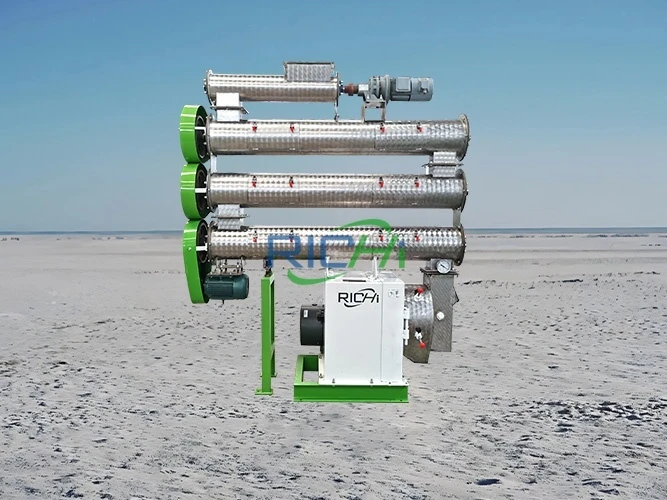
Invest in Advanced Feed Production Equipment
Modern equipment plays a crucial role in feed quality improvement.
High-performance machinery allows manufacturers to maintain consistent processing conditions and achieve superior pellet quality.
Upgrade Pelletizing Technology
Advanced pellet mills and extruders produce:
- Uniform pellets
- Better water stability
- Improved nutrient retention
Improve Automation
Automated systems reduce human error and improve process consistency.
Evaluate Equipment Performance
Manufacturers looking for a fish feed machine for sale should consider:
- Production capacity
- Energy efficiency
- Automation level
- Pellet quality performance
- Maintenance requirements
Choosing suitable equipment contributes directly to higher feed quality and long-term production efficiency.
Improve Pellet Durability
Aquatic feed must remain intact in water long enough for fish to consume it.
Poor pellet durability results in:
- Nutrient loss
- Increased feed waste
- Water pollution
Use Effective Binders
Common binders include:
- Wheat gluten
- Starch
- Bentonite
- Guar gum
Optimize Pellet Compression
Proper compression improves pellet density and structural strength.
Reduce Pellet Breakage
Careful handling during cooling, screening, and packaging minimizes damage.
Durable pellets improve feeding efficiency and customer satisfaction.
Enhance Water Stability
Water stability is especially important in aquaculture.
Fish and shrimp often require several minutes to consume feed.
Factors Affecting Water Stability
- Ingredient selection
- Conditioning quality
- Pelletizing parameters
- Binder usage
Benefits of Stable Pellets
Stable pellets:
- Retain nutrients longer
- Reduce water contamination
- Improve feed utilization
Improving water stability helps maintain healthier production environments.
Protect Nutrient Quality
Feed processing can expose nutrients to heat, moisture, and oxidation.
Protecting nutrient integrity is essential.
Minimize Vitamin Loss
Heat-sensitive vitamins should be monitored carefully during processing.
Use Antioxidants
Antioxidants help protect oils and fats from oxidation.
Apply Post-Pellet Coating
Many nutrients can be added after pellet formation through liquid coating systems.
This approach improves nutrient retention and feed performance.
Incorporate Functional Feed Additives
Functional additives can significantly improve feed effectiveness.
Probiotics
Support digestive health and nutrient absorption.
Prebiotics
Promote beneficial gut bacteria.
Enzymes
Improve feed digestibility and nutrient utilization.
Organic Acids
Enhance digestive efficiency and inhibit harmful bacteria.
Immunostimulants
Strengthen fish immune systems and improve disease resistance.
Functional feeds are increasingly popular in modern aquaculture systems.
Strengthen Quality Control Systems
Quality control should be integrated throughout the production process.
Raw Material Testing
Analyze incoming ingredients for:
- Nutrient content
- Moisture levels
- Contamination
Process Monitoring
Track:
- Grinding performance
- Mixing uniformity
- Conditioning parameters
- Pellet quality
Finished Product Evaluation
Assess:
- Protein levels
- Moisture content
- Pellet durability
- Water stability
Consistent quality control ensures reliable feed performance.
Improve Storage and Packaging
Even high-quality feed can deteriorate if stored improperly.
Use Appropriate Packaging
Packaging should protect feed from:
- Moisture
- Oxygen
- Physical damage
Maintain Proper Storage Conditions
Store feed in:
- Dry environments
- Cool temperatures
- Clean facilities
Implement Inventory Management
First-in, first-out inventory systems help maintain product freshness.
Proper storage preserves nutritional value and product quality.
https://pelletisingmachine.com/fish-feed-production-line
Train Employees Regularly
Human factors play a significant role in feed quality.
Regular training improves:
- Equipment operation
- Quality control procedures
- Safety practices
- Production efficiency
Skilled employees are more likely to identify and solve production issues before they affect product quality.
Adopt Digital Monitoring Technologies
Modern feed mills increasingly utilize digital technologies.
Real-Time Monitoring
Automated systems track:
- Temperature
- Moisture
- Production rates
- Equipment performance
Data Analysis
Production data helps identify opportunities for process improvement.
Predictive Maintenance
Monitoring systems reduce equipment downtime and improve consistency.
Digital technologies support higher feed quality and operational efficiency.
Focus on Sustainability
Sustainable feed production is becoming increasingly important.
Alternative Proteins
Manufacturers are exploring:
- Insect meal
- Algae protein
- Single-cell protein
Improved Feed Efficiency
Better feed quality reduces resource consumption and environmental impact.
Waste Reduction
Efficient production systems minimize material losses.
Sustainability initiatives often improve both environmental and economic performance.
Future Trends in Aquatic Feed Quality
The future of aquatic feed manufacturing will likely focus on:
Precision Nutrition
Customized diets tailored to specific species and growth stages.
Smart Feed Mills
Fully automated production facilities with advanced quality monitoring.
Functional Nutrition
Greater use of health-promoting feed additives.
Sustainable Ingredients
Expanded use of renewable protein and energy sources.
Advanced Processing Technologies
Improved machinery and production methods will continue enhancing feed quality.
Manufacturers investing in innovation will remain competitive in the evolving aquaculture industry.(go to my blog)
Conclusion
Improving aquatic feed quality effectively requires a comprehensive strategy that addresses raw materials, formulation design, processing technology, equipment performance, quality control, and storage practices. High-quality feed supports faster growth, stronger immunity, better feed conversion ratios, and improved profitability for fish farmers.
Modern manufacturing equipment also plays a critical role in achieving consistent feed quality. Companies searching for a reliable fish feed pellet machine for sale should focus not only on price but also on production efficiency, pellet quality, automation capabilities, and long-term reliability.
As aquaculture continues to grow globally, the demand for premium aquatic feed will increase. Feed manufacturers that prioritize quality improvement, technological innovation, and sustainable production practices will be well-positioned to meet market demand and support the future development of the aquaculture industry.