
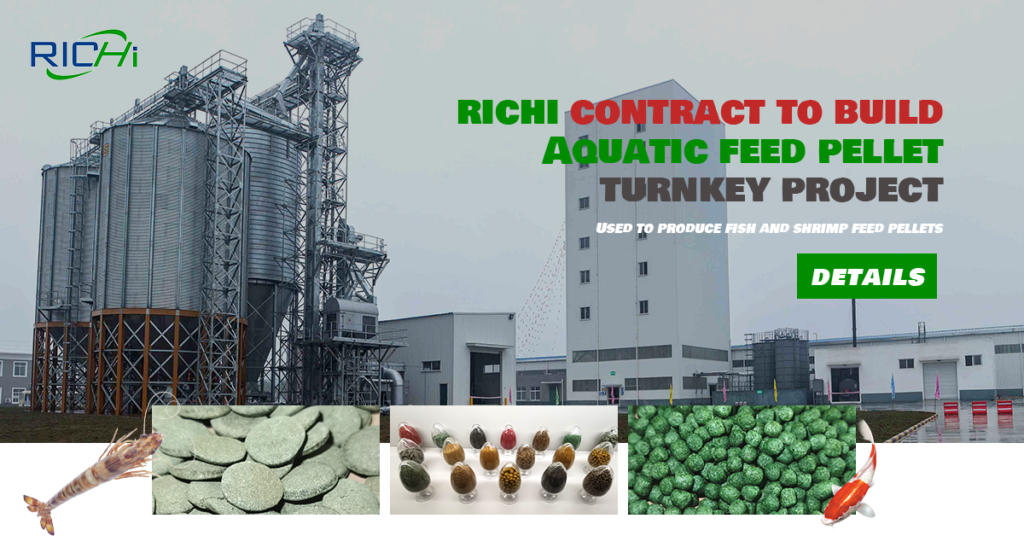
Aquaculture has become one of the fastest-growing food production industries in the world. As the global population continues to increase and demand for high-quality protein rises, fish farming has emerged as a critical solution for meeting food security needs. Wild fisheries alone can no longer satisfy the growing consumption of seafood, making aquaculture an essential component of modern agriculture. However, the success of fish farming depends on many factors, and among them, feed production stands out as the most important.
Aquatic feed production is the foundation of profitable and sustainable fish farming. Feed provides the nutrients necessary for fish growth, health, reproduction, and survival. In commercial aquaculture operations, feed often accounts for 50% to 70% of total production costs. Therefore, the quality, availability, and efficiency of aquatic feed directly determine the productivity and profitability of fish farms.
Modern aquatic feed production combines nutritional science, engineering technology, and quality management to produce feeds that meet the specific dietary requirements of different fish species. Equipment such as grinders, mixers, extruders, dryers, and the fish food pellet making machine allows manufacturers to produce feed with consistent quality and nutritional value. Without a reliable aquatic feed industry, large-scale fish farming would not be possible.
The importance of aquatic feed production begins with nutrition. Fish require a balanced diet containing proteins, fats, carbohydrates, vitamins, minerals, and amino acids. Each nutrient plays a vital role in supporting biological functions. Protein is especially important because it supports muscle development and tissue growth. Lipids provide concentrated energy and essential fatty acids. Vitamins and minerals contribute to metabolic activities, immune responses, and skeletal development.
When fish receive inadequate nutrition, growth slows down, feed conversion efficiency declines, and disease susceptibility increases. Poor nutrition can lead to significant economic losses for farmers. Aquatic feed production ensures that fish receive the nutrients they need in the correct proportions, allowing them to reach their full growth potential.
One of the greatest advantages of modern feed production is the ability to formulate species-specific diets. Different fish species have different nutritional requirements. Carnivorous fish such as salmon and trout require diets rich in protein and lipids, while omnivorous species like tilapia and carp can utilize a broader range of ingredients. Feed manufacturers develop customized formulations that optimize growth and health for each species.
The production of aquatic feed begins with raw material selection. High-quality ingredients are essential for producing effective feed. Common feed ingredients include fish meal, soybean meal, wheat flour, corn gluten meal, rice bran, fish oil, vegetable oils, vitamins, and minerals. Manufacturers carefully evaluate these ingredients to ensure they meet nutritional standards and are free from contaminants.
The quality of raw materials has a direct impact on feed performance. Poor-quality ingredients can reduce digestibility, impair growth, and increase waste production. By selecting high-quality ingredients, feed manufacturers help fish farmers achieve better production results and maintain healthy fish stocks.
Another important reason aquatic feed production is essential for fish farming is feed efficiency. Feed conversion ratio is one of the most important indicators of aquaculture performance. It measures the amount of feed required to produce a certain amount of fish biomass. A lower feed conversion ratio means that fish are converting feed into body weight more efficiently.
Modern feed manufacturing technologies improve feed conversion by enhancing digestibility and nutrient availability. High-quality feed contains ingredients that are carefully processed and balanced to maximize nutrient absorption. This allows fish to gain weight more efficiently while consuming less feed.
Improved feed conversion benefits fish farmers in several ways. It reduces feed costs, increases profitability, and minimizes environmental impacts. Since feed represents the largest operating expense in aquaculture, even small improvements in feed conversion can generate significant economic gains.
Feed production also plays a critical role in fish health. Healthy fish are more productive and less susceptible to disease. Nutritional deficiencies can weaken immune systems, making fish vulnerable to infections and environmental stress. Modern aquatic feeds are designed not only to support growth but also to strengthen immunity.
Many feeds contain functional ingredients such as probiotics, prebiotics, enzymes, organic acids, and immune stimulants. These additives improve digestive health, enhance nutrient utilization, and support natural disease resistance. As a result, fish are better equipped to cope with challenges in intensive farming environments.
Disease outbreaks remain one of the biggest threats to aquaculture operations. High stocking densities can create conditions that favor the spread of pathogens. Proper nutrition is one of the most effective tools for disease prevention. By producing nutritionally balanced feeds, manufacturers contribute directly to healthier fish populations and more stable farm production.
Water quality is another area where aquatic feed production has a significant impact. Fish live in the same water where they feed, meaning feed quality directly affects the aquatic environment. Low-quality feeds often contain poorly digestible ingredients that generate excessive waste. Uneaten feed and fish excretion can lead to water pollution, increased ammonia levels, and reduced oxygen concentrations.
Modern feed manufacturing focuses on improving digestibility and pellet stability. Well-produced pellets remain intact in water until consumed, minimizing nutrient leaching and feed waste. Improved digestibility means fish absorb more nutrients and excrete less waste. This helps maintain cleaner water conditions and supports healthier fish growth.
Maintaining good water quality is essential for successful aquaculture. Clean water reduces stress, improves immunity, and enhances overall productivity. By reducing waste generation, aquatic feed production contributes to both farm efficiency and environmental sustainability.
One of the key technologies that support modern feed manufacturing is the fish food pellet making machine. This machine transforms raw feed ingredients into compact, uniform pellets that are easy for fish to consume. Pelletizing improves feed quality, handling efficiency, and storage stability.
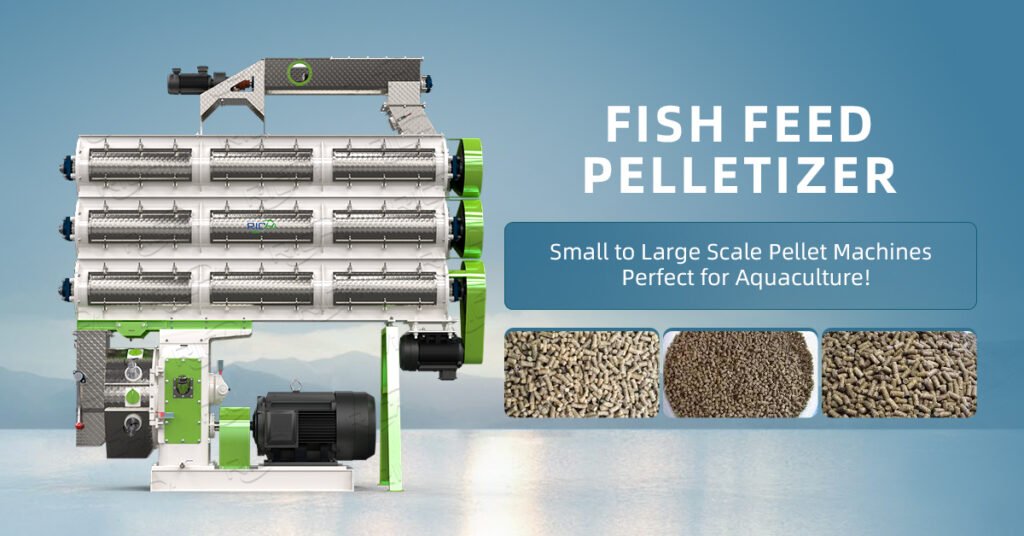
The fish food pellet making machine works by compressing feed ingredients under pressure through specially designed dies. The resulting pellets have a consistent size and shape, ensuring uniform nutrient distribution. Fish can consume these pellets more easily, reducing feed losses and improving feeding efficiency.
https://richipelletizer.com/fish-feed-pellet-making-machine
Pellet feed offers several advantages compared to loose meal feed. First, pellets reduce ingredient separation during transportation and handling. Every pellet contains the same nutritional composition, ensuring that fish receive a balanced diet. Second, pellets are less likely to disintegrate in water, reducing waste and maintaining water quality. Third, pellets are easier to store and transport, making feed management more efficient.
The fish food pellet making machine has become an indispensable component of modern aquatic feed production. Whether in small-scale feed mills or large industrial facilities, pelletizing technology plays a crucial role in producing high-quality feed for aquaculture operations.
Aquatic feed production also supports the development of floating and sinking feeds. Different fish species have different feeding behaviors. Some species feed near the surface, while others feed at intermediate depths or near the bottom. Feed manufacturers can adjust production processes to create pellets with specific buoyancy characteristics.
Floating feeds are particularly popular in many aquaculture systems because they allow farmers to monitor feeding activity directly. Farmers can observe how much feed fish consume and adjust feeding rates accordingly. This reduces waste and improves feed management. Sinking feeds are suitable for bottom-feeding species and certain farming conditions where surface feeding is less practical.
The ability to produce specialized feed types demonstrates the flexibility and sophistication of modern aquatic feed manufacturing. By matching feed characteristics to species behavior, manufacturers help improve feeding efficiency and farm performance.
Economic benefits are another major reason why aquatic feed production is important for fish farming. The feed industry supports a wide range of businesses, including ingredient suppliers, machinery manufacturers, transportation companies, distributors, and aquaculture producers. This creates employment opportunities and stimulates economic development.
(Learn more about modern aqua feed plant)
Reliable feed production allows fish farmers to operate with greater confidence. Consistent feed quality leads to predictable growth rates and production outcomes. This stability encourages investment in aquaculture and supports industry expansion.
As aquaculture grows worldwide, demand for feed continues to increase. Feed manufacturers play a crucial role in meeting this demand by investing in advanced technologies and expanding production capacity. Their efforts contribute directly to the growth and competitiveness of the aquaculture sector.
Sustainability has become a major focus in aquatic feed production. Traditional feeds relied heavily on fish meal and fish oil derived from wild fisheries. While these ingredients remain valuable, concerns about resource sustainability have encouraged the development of alternative ingredients.
Today, feed manufacturers increasingly use plant proteins, insect meal, algae products, microbial proteins, and agricultural by-products. These alternatives help reduce dependence on marine resources while maintaining nutritional quality. Sustainable ingredient sourcing supports long-term aquaculture growth and environmental conservation.
Feed efficiency also contributes to sustainability. Better feed conversion means less feed is required to produce the same amount of fish. This reduces resource consumption and lowers environmental impacts. By improving feed utilization, aquatic feed production supports more responsible and efficient food production systems.
Technological innovation continues to transform aquatic feed manufacturing. Modern production facilities use automated systems that control ingredient dosing, mixing, conditioning, pelletizing, drying, and packaging. Automation improves consistency, reduces labor requirements, and enhances production efficiency.
Digital technologies are also becoming more common. Data analytics, sensors, and monitoring systems help manufacturers optimize production processes and maintain quality standards. These tools allow feed producers to identify problems quickly and improve operational performance.
Research and development play a critical role in advancing feed production. Scientists continually investigate new ingredients, nutritional strategies, and processing technologies. Their work helps improve feed quality, reduce costs, and address emerging industry challenges.
Climate change is creating additional challenges for aquaculture. Rising temperatures, changing weather patterns, and environmental stressors can affect fish health and productivity. High-quality feed helps fish cope with these challenges by supporting strong immune systems and efficient metabolism.
Aquatic feed production therefore contributes to climate resilience within the aquaculture sector. By improving fish health and performance, feed manufacturers help farmers adapt to changing environmental conditions.(visit site)
Food security is another important reason aquatic feed production matters. Fish are an excellent source of protein, omega-3 fatty acids, vitamins, and minerals. As global demand for nutritious food increases, aquaculture will play an increasingly important role in supplying seafood.
Without efficient feed production, large-scale fish farming would be impossible. Feed provides the nutrients that allow fish to grow rapidly and efficiently. By supporting aquaculture expansion, feed manufacturers contribute directly to global food availability and nutrition.
The future of fish farming depends heavily on continued improvements in feed production. Advances in ingredient technology, precision nutrition, automation, and sustainability will help the industry meet growing demand while reducing environmental impacts. The fish food pellet making machine and other advanced processing equipment will continue to play a central role in this development.
Modern consumers increasingly expect seafood to be produced responsibly and sustainably. High-quality feed production supports these expectations by improving resource efficiency, reducing waste, and promoting fish welfare. This helps strengthen public confidence in aquaculture products and supports long-term market growth.
Another important aspect of aquatic feed production is consistency. Fish farmers depend on predictable feed quality to manage growth rates, harvest schedules, and financial planning. Consistent feed manufacturing ensures that every batch meets established nutritional standards. This reliability allows farmers to optimize production strategies and reduce uncertainty.
As aquaculture becomes more intensive and technologically advanced, the importance of feed production will only continue to grow. Feed is not simply an input; it is the foundation upon which successful fish farming is built. Every improvement in feed quality, efficiency, and sustainability contributes directly to better farming outcomes.
In conclusion, aquatic feed production is essential for fish farming because it provides balanced nutrition, improves growth performance, enhances feed conversion efficiency, strengthens fish health, supports disease prevention, maintains water quality, promotes sustainability, and drives economic development. Modern manufacturing technologies, including the fish food pellet making machine, enable the production of high-quality feeds that meet the needs of diverse aquaculture species and farming systems.
As global aquaculture continues to expand, the importance of aquatic feed production will become even greater. High-quality feed supports healthy fish, profitable farms, sustainable seafood production, and improved food security for a growing world population. By investing in advanced feed manufacturing technologies and innovative nutritional solutions, the aquaculture industry can continue to thrive while meeting the challenges of the future.