
Aquaculture has become one of the fastest-growing food production sectors in the world, driven by rising global demand for fish protein, declining wild fish stocks, and improvements in aquaculture technology. As fish farming expands from small-scale ponds to large commercial operations, feed efficiency has become one of the most important factors determining profitability and sustainability.
Among all innovations in aquaculture nutrition, floating fish feed has revolutionized feeding practices. Unlike traditional sinking feed or raw feeding methods, floating feed allows farmers to observe feeding behavior, reduce waste, and improve feed conversion ratios. Modern production systems such as the floating fish feed plant and advanced fish feed extruder machine have made it possible to produce high-quality floating pellets with precise nutritional control and consistent physical properties.
This article explores how floating fish feed production improves aquaculture efficiency, covering feed technology, production processes, equipment systems, nutritional advantages, environmental impact, and economic benefits.
1. Understanding Floating Fish Feed
Floating fish feed is a type of extruded aquafeed that remains on the water surface for a period of time before slowly sinking or being consumed.
It is typically produced using high-temperature and high-pressure extrusion technology, which changes the physical structure of feed ingredients.
Compared to traditional sinking feed, floating feed offers:
- Better feed visibility
- Reduced waste
- Improved digestion efficiency
- Easier feeding management
Floating feed is widely used in farming species such as:
- Tilapia
- Catfish
- Carp
- Trout
- Marine fish species
2. The Importance of Feed Efficiency in Aquaculture
Feed is the largest cost in aquaculture production, often accounting for:
- 50% to 70% of total production cost
Therefore, improving feed efficiency directly impacts profitability.
Key efficiency factors include:
- Feed conversion ratio (FCR)
- Feed digestibility
- Feeding behavior control
- Nutrient absorption
- Water quality management
Floating fish feed significantly improves all of these factors.
3. What Is a Floating Fish Feed Plant?
A floating fish feed plant is a complete production system designed to manufacture floating aquafeed using extrusion technology.
It typically includes:
- Raw material storage system
- Grinding equipment
- Mixing system
- Fish feed extruder machine
- Drying system
- Oil spraying system
- Cooling system
- Packaging unit
This integrated system ensures continuous and efficient production of high-quality floating feed pellets.
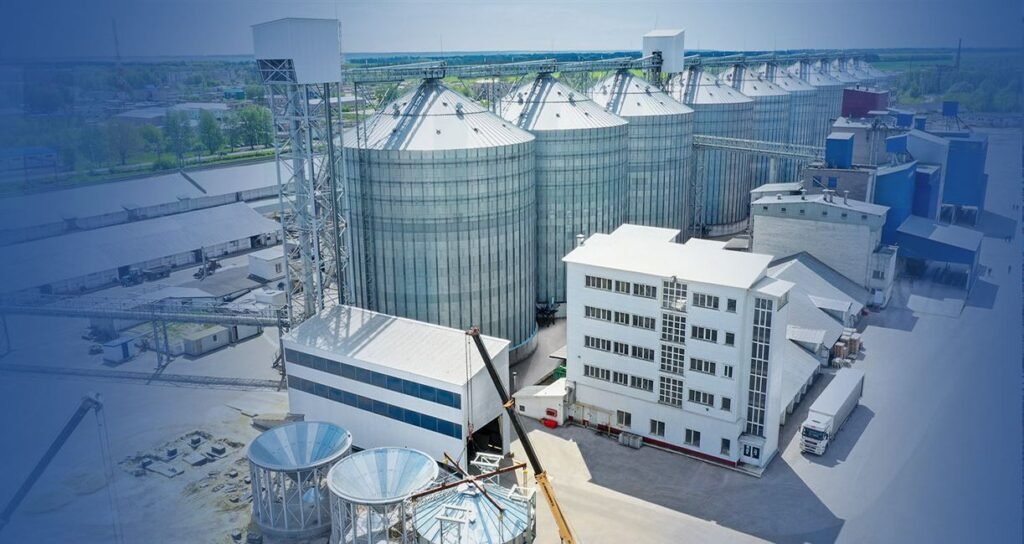
4. Role of the Fish Feed Extruder Machine
The floating fish feed extruder machine is the core equipment in floating feed production.
It uses:
- High temperature
- High pressure
- Mechanical shear
to transform raw feed ingredients into expanded, buoyant pellets.
4.1 How the Fish Feed Extruder Machine Works
- Raw materials are mixed and conditioned
- Feed enters the extruder barrel
- Heat and pressure gelatinize starch
- Material expands through the die
- Pellets are cut into uniform sizes
- Feed is cooled and dried
The extrusion process determines whether feed will float or sink.
5. Why Floating Feed Improves Aquaculture Efficiency
Floating fish feed improves aquaculture efficiency in several key ways:
- Better feed utilization
- Reduced feed waste
- Improved fish growth rate
- Easier feeding management
- Better water quality control
Each of these factors contributes to lower production costs and higher profitability.
6. Improved Feed Conversion Ratio (FCR)
Feed conversion ratio is one of the most important performance indicators in aquaculture.
It measures how efficiently fish convert feed into body weight.
Floating feed improves FCR because:
- Fish consume feed more completely
- Farmers can monitor feeding activity
- Overfeeding is reduced
- Nutrient absorption is improved
Better FCR means lower feed costs and higher production efficiency.
7. Reduced Feed Waste
Traditional sinking feed often leads to significant waste because uneaten feed sinks to the bottom of ponds.
This results in:
- Water pollution
- Increased ammonia levels
- Lower oxygen levels
- Higher production costs
Floating feed allows farmers to visually observe feeding behavior and adjust feeding rates in real time.
This dramatically reduces feed waste and improves overall efficiency.
8. Improved Water Quality Management
Water quality is critical in aquaculture production.
Floating feed helps maintain better water conditions by:
- Reducing uneaten feed accumulation
- Preventing bottom sludge formation
- Lowering ammonia concentration
- Maintaining oxygen balance
Cleaner water results in healthier fish and higher survival rates.
9. Enhanced Nutrient Utilization
Floating fish feed produced by a fish feed extruder machine undergoes starch gelatinization, which improves digestibility.
Benefits include:
- Better protein absorption
- Improved energy utilization
- Faster fish growth
- Stronger immune response
Efficient nutrient absorption reduces feed requirements and improves production efficiency.
10. Better Feeding Behavior Control
Floating feed allows farmers to observe fish feeding behavior directly.
This enables:
- Real-time feeding adjustment
- Prevention of overfeeding
- Detection of fish health issues
- Optimized feeding schedules
Better control leads to improved farm management efficiency.
11. Role of the Floating Fish Feed Plant in Large-Scale Production
A floating fish feed plant ensures consistent and industrial-scale production of aquafeed.
11.1 Advantages of Integrated Production Systems
- Continuous production flow
- Stable product quality
- Reduced labor dependency
- Lower operational costs
- Higher output efficiency
Integrated plants ensure that every stage of production is optimized.
https://pelletisingmachine.com/aqua-feed-machine
12. Importance of Raw Material Selection
Raw materials strongly influence feed quality and efficiency.
Common ingredients include:
- Fish meal
- Soybean meal
- Corn flour
- Wheat flour
- Vitamin and mineral premixes
High-quality raw materials improve:
- Feed stability
- Nutritional value
- Pellet expansion rate
13. Grinding and Particle Size Optimization
Proper grinding improves feed uniformity.
Benefits include:
- Better mixing efficiency
- Improved extrusion performance
- Consistent pellet structure
Fine particle size is essential for smooth operation of the fish feed extruder machine.
14. Mixing Process Efficiency
Uniform mixing ensures balanced nutrition in every pellet.
Efficient mixing provides:
- Consistent feed quality
- Stable nutrient distribution
- Improved fish growth performance
Poor mixing leads to uneven feeding results and lower efficiency.
15. Extrusion Technology and Floating Ability
The floating property of fish feed depends heavily on extrusion conditions.
Key factors include:
- Temperature
- Pressure
- Moisture content
- Die design
Proper control ensures pellets expand and float on water surfaces.
16. Drying and Cooling Efficiency
After extrusion, feed must be dried and cooled.
This process:
- Reduces moisture content
- Improves storage stability
- Prevents mold growth
- Enhances pellet hardness
Efficient drying improves feed shelf life and performance.
17. Oil Coating for Nutritional Enhancement
After drying, oils and nutrients are often sprayed onto pellets.
Benefits include:
- Increased energy content
- Improved palatability
- Enhanced fish growth
- Better feed attraction
Oil coating improves overall feed efficiency.
18. Automation in Floating Fish Feed Plants
Modern floating fish feed pellet plants use automation systems for improved efficiency.
Features include:
- Automatic batching
- PLC control systems
- Temperature monitoring
- Production data tracking
Automation reduces labor costs and improves production stability.
19. Environmental Benefits of Floating Fish Feed
Floating feed reduces environmental impact by:
- Minimizing feed waste
- Reducing water pollution
- Improving ecosystem balance
- Supporting sustainable aquaculture
This makes it an environmentally friendly feeding solution.
20. Economic Advantages for Fish Farmers
Floating fish feed improves profitability by:
- Reducing feed consumption
- Improving fish growth rate
- Lowering mortality rate
- Enhancing production efficiency
Better feed efficiency directly increases farm income.
21. Challenges in Floating Feed Production
Despite advantages, there are challenges:
- High initial investment in equipment
- Technical complexity
- Raw material cost fluctuations
- Maintenance requirements
However, long-term benefits usually outweigh these challenges.
22. Importance of Fish Feed Extruder Machine Maintenance
Proper maintenance ensures consistent production efficiency.
Maintenance includes:
- Cleaning extruder barrel
- Checking wear parts
- Lubricating moving components
- Monitoring temperature systems
Well-maintained machines ensure stable feed quality.
23. Future Trends in Aquafeed Production
Future developments include:
- Smart feeding systems
- AI-based aquaculture management
- Precision nutrition technology
- Advanced extrusion systems
These innovations will further improve aquaculture efficiency.
Conclusion
Floating fish feed production significantly improves aquaculture efficiency by enhancing feed utilization, reducing waste, improving water quality, and increasing fish growth performance. Through modern technologies such as the floating fish feed plant and fish feed extruder machine, fish farmers can achieve more controlled, efficient, and profitable production systems.
As global demand for aquatic protein continues to rise, floating fish feed will remain a key driver of sustainable aquaculture development, helping the industry move toward higher efficiency, lower environmental impact, and greater economic returns.