
Two farmers walk into the same equipment dealership. They see the same pellet line. They ask the same question: how much does it cost? The salesman gives them the same number. One farmer walks away and builds a profitable business. The other walks away and builds an expensive headache. Same machine. Same price. Different outcome. Why?
The answer is not in the price tag. It is in everything that happens before and after the purchase. The price is just a number. The business is a system. And the difference between a system that works and one that fails comes down to a handful of factors that have nothing to do with the sticker price.
If you are considering a wood pellet line, you have probably already looked at the wood pellet production line price. You have seen numbers that range from a few thousand dollars for a small setup to hundreds of thousands for a full industrial line. You have probably wondered why the range is so wide. The answer is that you are not comparing the same thing. You are comparing different capacities, different levels of automation, different build qualities, and different levels of support. The price reflects all of those things. But the price alone will not tell you whether the line will make money.
The Raw Material Is the First Business Decision
Before you look at machines, look at what you are going to feed them. Wood pellets can be made from sawdust, shavings, wood chips, or agricultural residues. Each material behaves differently. Each one requires a different preparation process. Each one affects the cost of production.
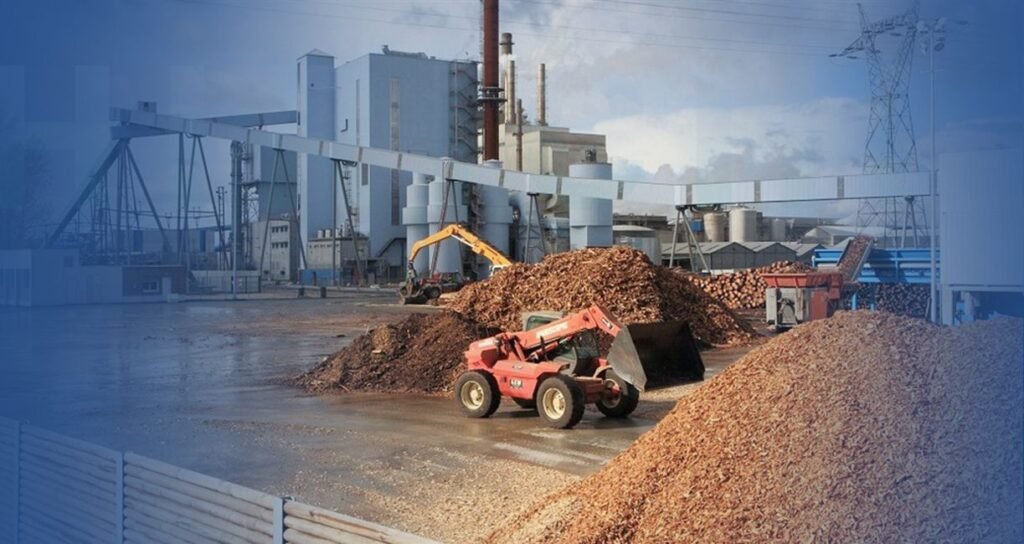
Sawdust from a furniture shop is already dry and fine. It may only need grinding and pelleting. Wood chips from a forest operation are larger and wetter. They need chipping, grinding, and drying before they can be pelletized. Straw and rice husks are abrasive and have different binding characteristics. They may require specialized dies and conditioning.
The equipment needed to prepare the material adds to the cost. A hammer mill, a dryer, a mixer, and conveyors all add up. If your material is already the right size and moisture content, you can skip some of those steps. If it is not, you will need to invest in the equipment to get it there. That investment is part of the total cost, even if it is not part of the pellet line price you were quoted.
The availability of raw material is just as important. Do you have a steady supply? Is it free, or do you have to pay for it? Is it consistent in quality, or does it vary from load to load? A pellet line that runs at full capacity on cheap, consistent feedstock will pay back quickly. A line that runs intermittently on expensive, variable feedstock will struggle, no matter how good the machine is.
Capacity: Match the Line to the Market
The next decision is capacity. How many tons per hour do you need to produce? This is where many buyers make their first mistake. They buy a machine that is too small and then run it constantly, wearing it out prematurely. Or they buy a machine that is too large and then watch it sit idle, tying up capital that could be used elsewhere.
The right capacity depends on three things: how much raw material you have, how much capital you can invest, and who will buy the pellets. If you are producing for your own heating, a small line might be enough. If you are selling to local farms or garden centers, a mid-sized line may be appropriate. If you have contracts with distributors or export buyers, you may need a larger line.
The capacity of the line is determined by the capacity of its smallest component. If the pellet mill can produce two tons per hour but the cooler can only handle one, the line runs at one ton per hour. Integration matters. Every component must be sized to match the others. A line that is not balanced will always have a bottleneck.
The wood pellet machine Is the Heart, But Not the Whole Body
The centerpiece of any pellet line is the pellet mill. This is the machine that compresses the material into pellets. It is also one of the most expensive components. A wood pellet machine for industrial use is built to handle high pressure, abrasive materials, and continuous operation. The die and rollers are made from wear-resistant alloys. The drive system is robust. The control system manages the feed rate, conditioning, and temperature.
The quality of the pellet mill determines the quality of the pellets. A cheap mill may produce soft, crumbly pellets that fall apart in storage. A well-built mill produces dense, durable pellets that burn efficiently and command a higher price. The difference in cost between a cheap mill and a quality mill is often recovered within the first year through better product quality and lower maintenance.
But the pellet mill is not the only machine that matters. The dryer, the grinder, the mixer, the cooler, and the screener all affect the final product. A line with a great pellet mill and a poor dryer will produce inconsistent pellets. A line with a great dryer and a poor grinder will clog and stall. The whole system has to work together.
Automation and Labor: The Hidden Cost
Another factor that affects both the price and the profitability of a pellet line is the level of automation. A manual line requires operators to monitor and adjust the equipment constantly. An automated line uses sensors and controls to manage the process with minimal intervention. Automated lines cost more upfront, but they reduce labor costs and improve consistency.
For a small operation, a manual or semi-automatic line may be sufficient. The operator can adjust the feed rate and monitor the pellet quality. For a large commercial plant, automation is essential. It keeps the line running smoothly, reduces downtime, and ensures that every ton of pellets meets the same specification.
The savings from automation come in two forms. First, you need fewer workers to run the line. Second, you get more consistent output, which means fewer rejected batches and less waste. Over time, those savings can be substantial. A line that runs with one operator instead of three will have a lower cost per ton. A line that produces consistent pellets will have fewer customer complaints and returns.
The Supporting Equipment: Where Budgets Get Broken
The pellet mill is the most visible part of the line, but it is not the only thing you need. A complete wood pellet production line includes a grinder, a dryer, a mixer, a conditioner, a cooler, a screener, conveyors, bins, and electrical controls. Each of these components adds to the cost. Each one is necessary for producing a marketable product.
Many buyers make the mistake of budgeting for the pellet mill and then discovering that they also need to buy a dryer, a grinder, and a cooler. The price they were quoted was for the mill alone. The complete line costs significantly more. That is why it is so important to ask what is included in the quote. A complete line quote will be higher, but it will give you a realistic picture of the total investment.
The supporting equipment also affects the operating cost. A dryer that is inefficient will consume more energy. A grinder that is undersized will slow down the line. A cooler that is too small will leave the pellets hot and soft. These are not one-time costs. They are ongoing costs that affect your margin every day.
The Market: Who Will Buy Your Pellets?
A pellet line is only profitable if there is a market for the pellets. Before you invest, you need to understand who will buy your product and what they are willing to pay. The market for wood pellets is diverse. It includes residential heating, industrial boilers, power generation, and export.
Each market has different specifications. Residential pellets need low ash content and high durability. Industrial pellets can tolerate slightly higher ash and fines. Export pellets must meet the standards of the destination country. If you produce pellets that do not meet the specifications of your target market, you will not be able to sell them.
The price of pellets varies by region and by market. In some areas, there is strong demand and limited supply, which supports higher prices. In other areas, the market is saturated, and prices are low. Before you invest in a line, research the local market. Talk to potential buyers. Find out what they need and what they are willing to pay. That information will tell you whether the line can be profitable.
The Payback Calculation: The Only Number That Matters
The price of the line is important, but the payback period is what really matters. The payback period is the time it takes for the savings or revenue from the line to cover the initial investment. It is calculated by dividing the total investment by the annual net cash flow.
The total investment includes the equipment, installation, building, electrical supply, and working capital. The annual net cash flow includes the revenue from pellet sales minus the operating costs. Operating costs include electricity, labor, maintenance, and feedstock.
A line that costs more upfront but has lower operating costs may have a shorter payback period than a cheaper line with higher operating costs. A line that runs at full capacity will pay back faster than one that runs intermittently. A line that produces high-quality pellets will command a better price than one that produces low-quality pellets.
For many operations, the payback period is two to four years. After that, the line generates ongoing savings or income. The equipment has a useful life of ten to fifteen years or more with proper maintenance. So the long-term return can be substantial. But the payback period depends on the specific numbers for your operation. There is no universal answer.
What to Look For in a Supplier
The supplier you choose affects both the cost and the profitability of the line. A supplier with experience in wood pellet production can help you design a line that meets your needs. They can recommend the right capacity, the right equipment, and the right level of automation. They can also provide installation, training, and support.
It helps to ask for references. Talk to other producers who have bought similar equipment. Ask about the quality of the equipment, the reliability of the supplier, and the level of support they received. A supplier who is recommended by other producers is a safer choice than one who is not.
It also helps to visit an installation if you can. See the equipment in operation. Talk to the operators. Watch how the line runs. Ask about maintenance and downtime. A firsthand look will tell you more than any brochure.
The Bottom Line
A wood pellet line is not a guaranteed business. It is a tool. Whether it makes money depends on how you use it. The price is just the starting point. The raw material, the capacity, the equipment quality, the automation, the supporting equipment, and the market all play a role. If you get those things right, the line can be a profitable investment. If you get them wrong, it can be an expensive mistake.
Before you sign a contract, take the time to understand the whole picture. Test your material. Research the market. Calculate the payback. Ask the hard questions. If the numbers work, move forward. If they do not, walk away. The best investment is the one you do not regret.
For a closer look at equipment options, capacity ranges, and real-world cost data, click for more to explore detailed guides and supplier comparisons. The right line is out there. The key is knowing how to find it.